
Community & Education

Outreach

Mission

Our outreach is driven by a simple goal: to bring the excitement of STEM to the foreground by sharing the wonder of discovery. Through the lens of astronomy—where anyone can look up at the night sky and feel connected—we introduce young researchers and broader audiences to the magic of physics-informed imaging. From black holes that captivated the world to the algorithms behind modern telescopes, we use awe-inspiring science to show how ideas, computation, and curiosity come together to reveal the unseen.

Interested in partnering or inviting us to speak? Contact us.

Student-led project

Astraeus: Radio Interferometry Simulation

High-school researchers built an interactive GUI that visualizes how radio interferometry arrays synthesize apertures and reconstruct images.
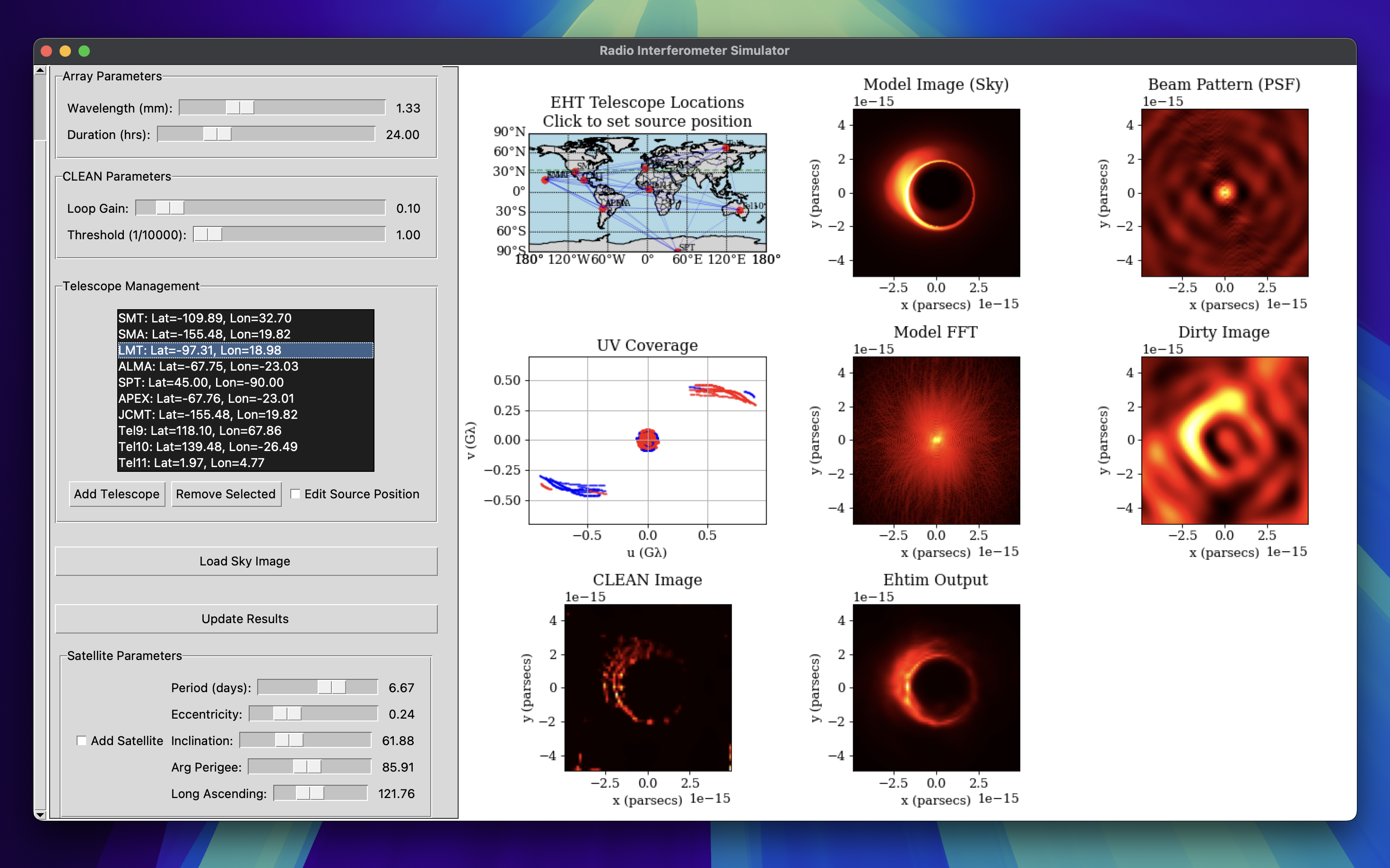
Astraeus radio interferometry GUI

Led by high-school researchers Thanosan Prathifkumar (Central Peel Secondary School) and Krish Desai (Turner Fenton Secondary School), in collaboration with Aviad Levis, Astraeus is an interactive GUI for understanding radio interferometry. The tool models arrays such as ALMA, the VLA, and the Event Horizon Telescope, enabling real time exploration of how antenna geometries and baselines sculpt the synthetic aperture and resulting reconstructed images.

By visualizing correlated visibilities for Earth-based and spaceborne telescope concepts, Astraeus introduces researchers, educators, and students into the world of radio interferometry.
Editorial outreach

XRDS: Computational Imaging Spotlight

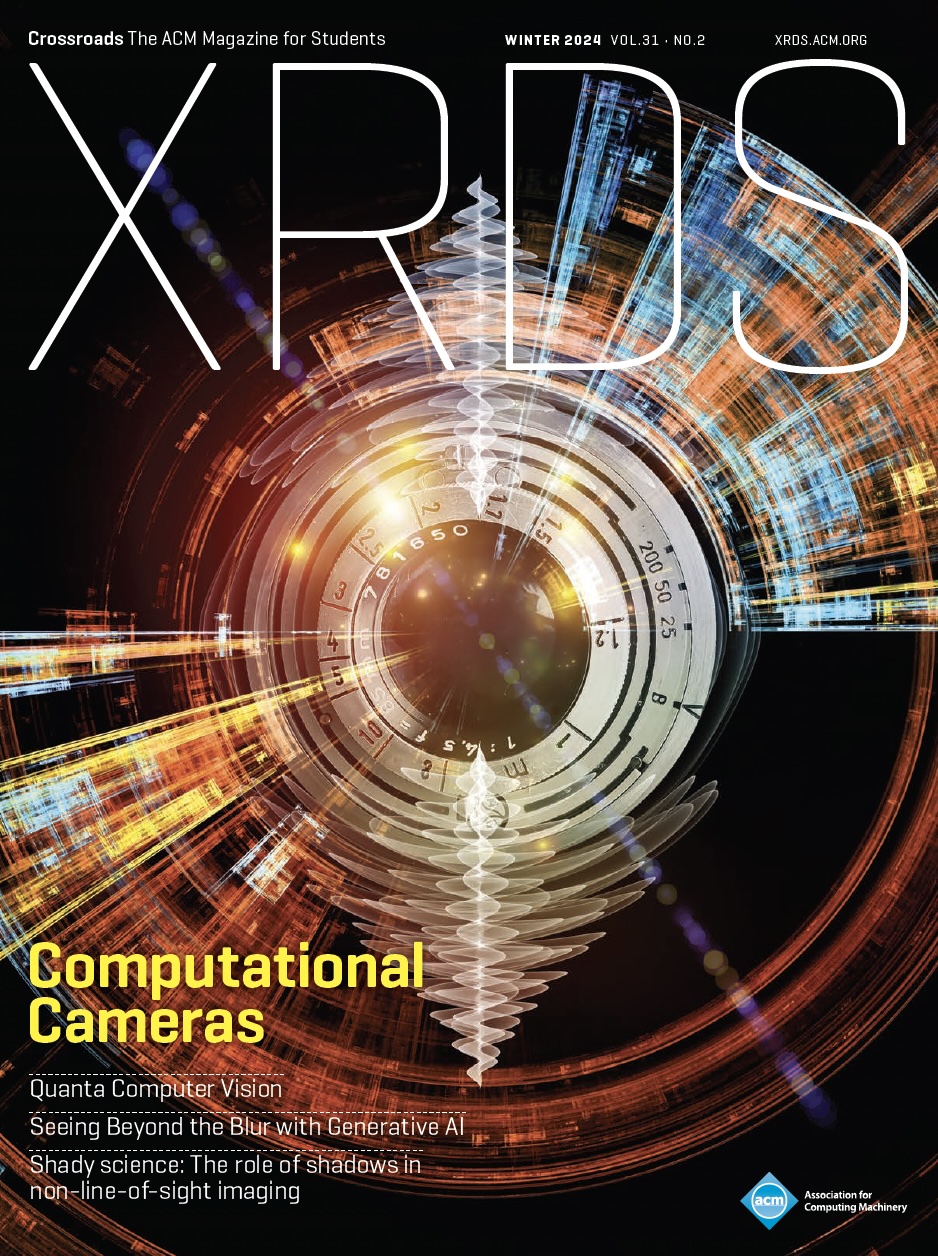
Aviad Levis guest-edited XRDS 31(2), curating a feature issue on computational imaging for the ACM student magazine.

XRDS magazine cover highlighting computational imaging

Aviad guest-edited the student-led ACM magazine XRDS 31(2), curating a special issue on computational imaging. His editorial, “Seeing the World Through the Lens of Computational Imaging”, traces the journey from early digital photos to today’s physics-aware cameras, highlighting how sensing, rendering, and machine learning reshape how we form images rather than merely record them. The issue introduces students to ideas spanning neural rendering, medical imaging, and black-hole reconstruction, emphasizing how interdisciplinary tools reveal hidden structures.