Back to home
Observational Tools

Instruments

Imaging systems across radio, optical, and time-resolved sensing.

We model and design the next generation of scientific instruments through machine learning and physics-aware computation — enabling breakthroughs in high-resolution imaging and complex inverse problems. Our differentiable models accelerate calibration and enable reconstruction and co-design of the next generation of scientific instruments. By working closely with domain experts we advance new sensing concepts such as cloud tomography and SPAD-based intensity interferometry.

Atacama Large Millimeter/submillimeter Array (ALMA)
Radio Interferometry

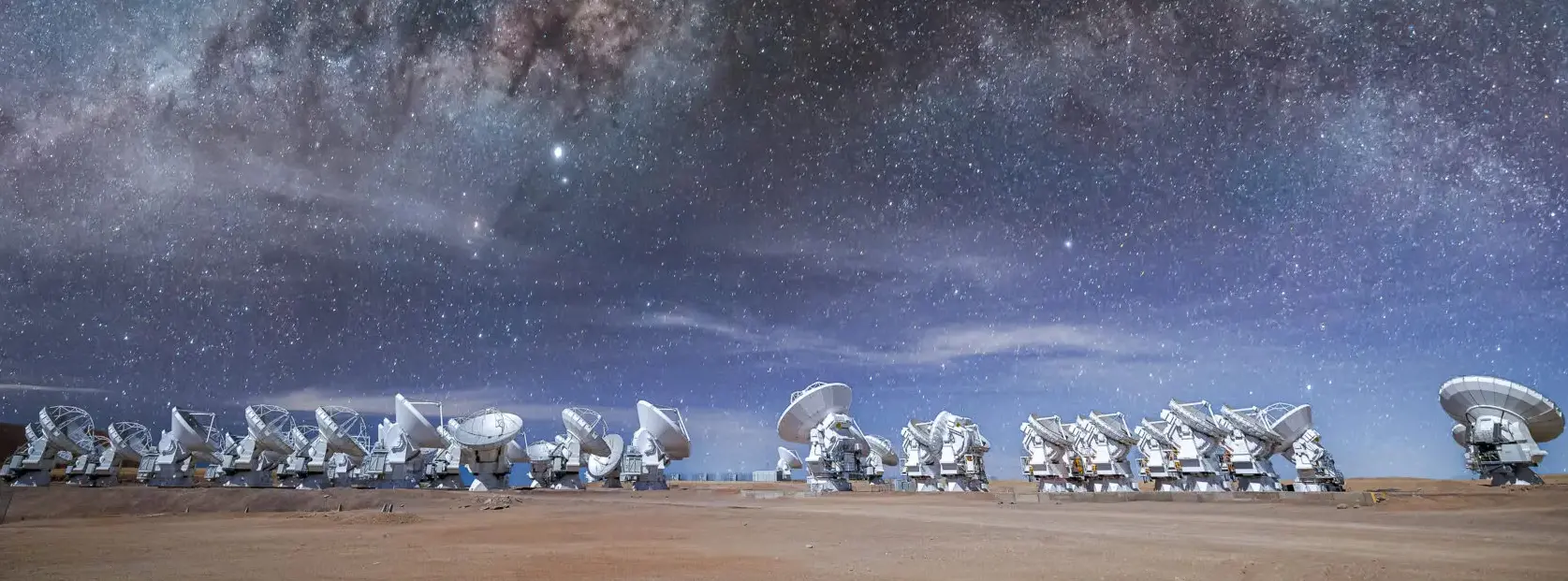
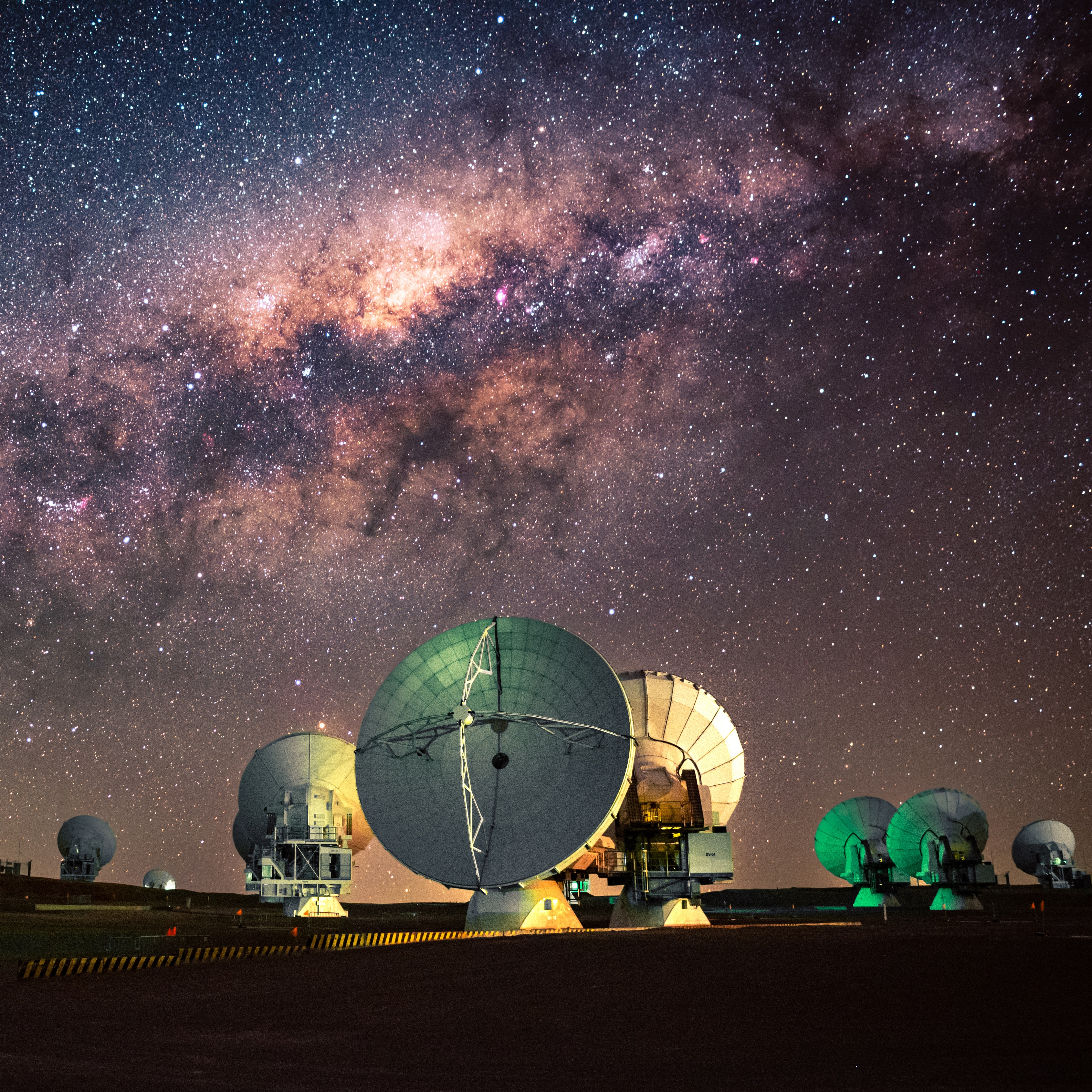
Atacama Large Millimeter/submillimeter Array (ALMA)

One of the most sensitive radio telescopes in the world. We develop differentiable models of ALMA data to reveal structure in protoplanetary disks and study flares of the through polarization lightcurves of the Galactic-center black hole.
Event Horizon Telescope (EHT)
Very Large Baseline Interferometry (VLBI)

Event Horizon Telescope (EHT)

A global network of radio telescopes capable of resolving the event horizon of black holes. We build computational methods to image the 3D structure and evolving environment around our galaxy’s central black hole, and contribute to next-generation efforts such as ngEHT and the Black Hole Explorer.

James Webb Space Telescope (JWST)
Infrared Imaging and Coronography

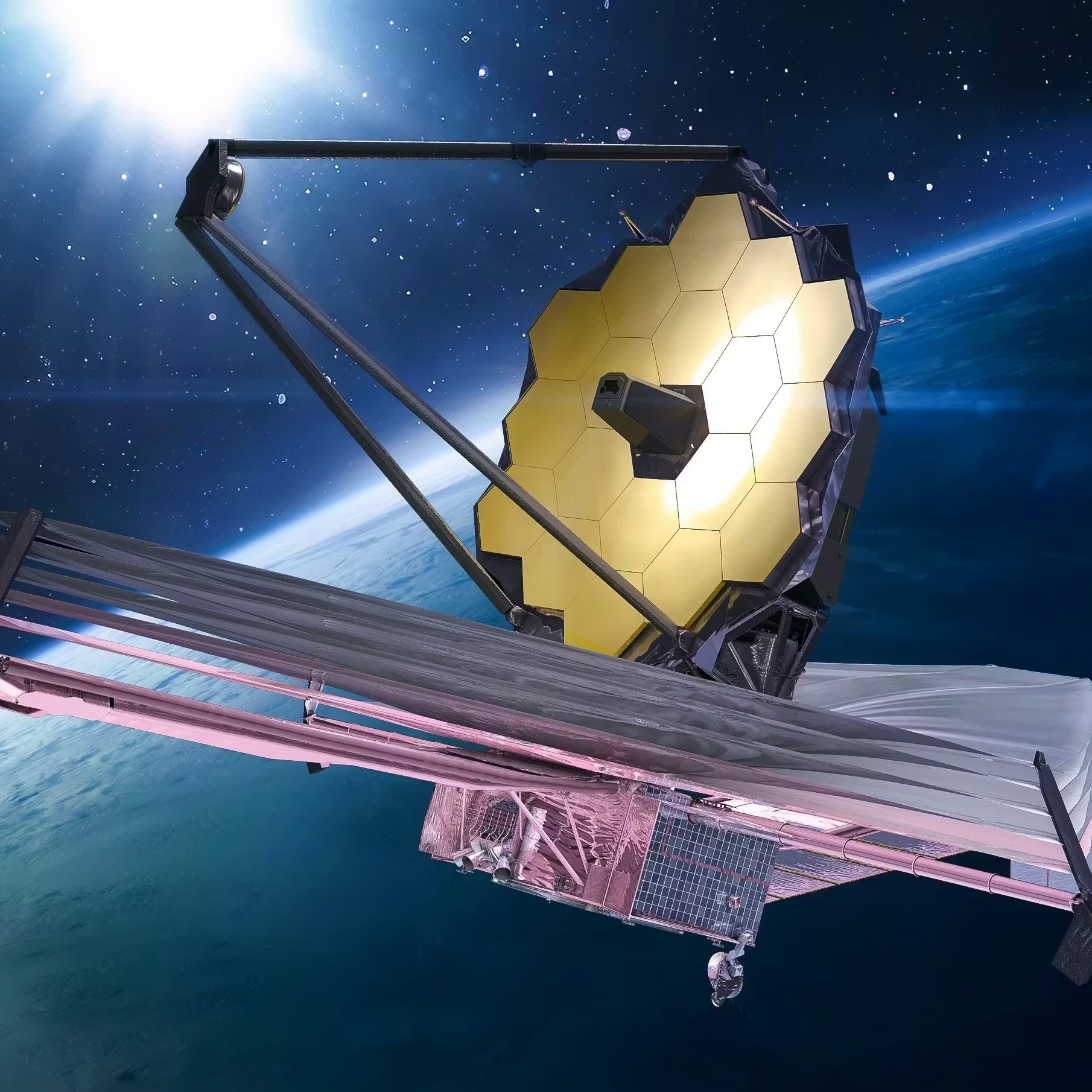
James Webb Space Telescope (JWST)

A space observatory for high-resolution infrared imaging. We design differentiable reconstruction methods for JWST coronagraphy and scattered-light imaging, and are developing gravitational-lensing algorithms for future exploration (Venus program).

Cloud CT (Cube-sat constellation)
Multi-view Remote Sensing

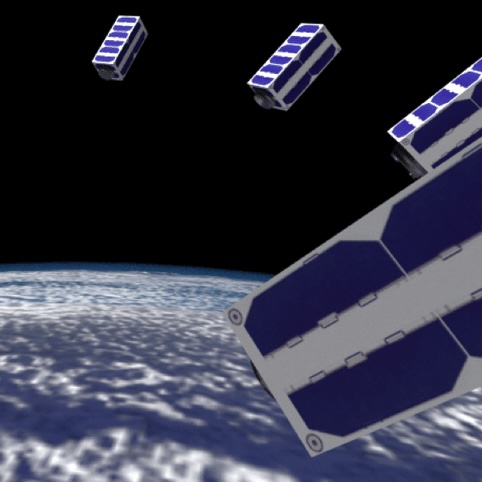
Cloud CT (Cube-sat constellation)

A novel satellite-constellation mission for 3D cloud tomography and improved climate prediction. We develop physics-aware reconstruction and differentiable models to reveal the internal structure of clouds from coordinated multi-view observations.

Single Photon Avalanche Diodes (SPADs)
Intensity Interferometry

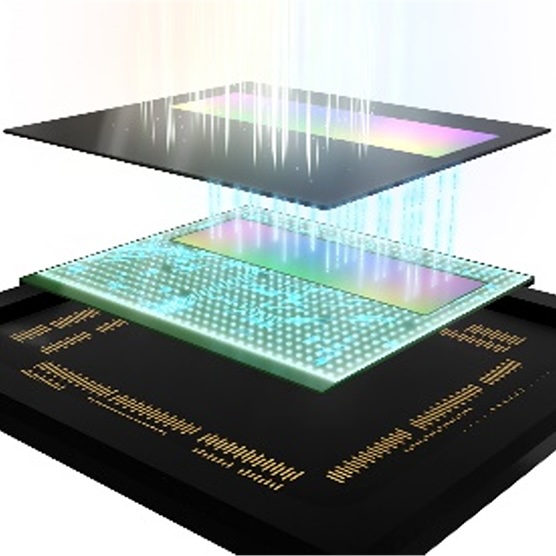
Single Photon Avalanche Diodes (SPADs)

Single-photon detectors enabling measuring individual photon times of arrival at pico-second precision. We are building a new research thrust in SPAD-based intensity interferometry for high-resolution astronomy, in collaboration with sensor development efforts at the Toronto Computational Imaging Group.